
Curious posts for curious people
How to Care for Taxidermy
Posted by Shelley Edwards on

🦌 How to Care for Taxidermy: A Complete Guide for Long-Term Preservation Taxidermy can last for generations when it’s properly cared for. Whether you own a vintage mount, a modern piece, or an inherited family specimen, good maintenance protects it from dust, pests, humidity, and fading. This guide covers the essential steps for preserving taxidermy safely and effectively, no matter where you live. 🌍 Environment: The Most Important Factor The environment you keep your taxidermy in determines how long it will last. All mounts benefit from: Stable temperature — avoid extreme heat or cold Low humidity — ideally between 40–55%...
How To Clean Found Bones
Posted by Shelley Edwards on

🦴 How to Clean Animal Bones for Display: A Complete, Worldwide Guide Cleaning and preparing animal bones for display is a rewarding blend of science, patience, and creativity. Whether you’re a natural history enthusiast, an artist, or a collector, properly cleaned bones can become striking educational pieces or beautiful decore. This guide walks you through the entire process — from ethical sourcing to whitening and preserving — in a way that applies no matter where you live. 🌍 Ethical Sourcing: Universal Principles Laws vary widely across countries, but the core principles remain the same: Only use naturally deceased animals such...
Shrunken Heads: The Macabre Art of Tsantsa
Posted by Jonathan Bowler on
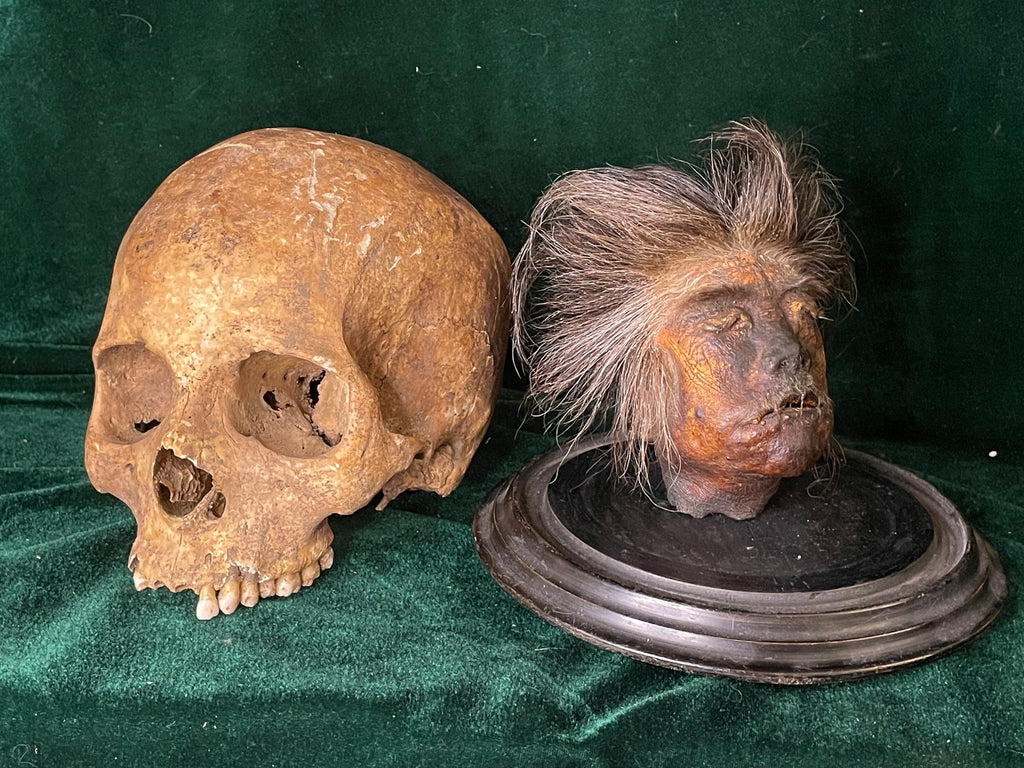
Ever heard of a shrunken head? Known as tsantsas, these eerie artifacts were once created by the Shuar and Achuar tribes of the Amazon, primarily in Ecuador and Peru.
The auricular surface
Posted by Henry Scragg on
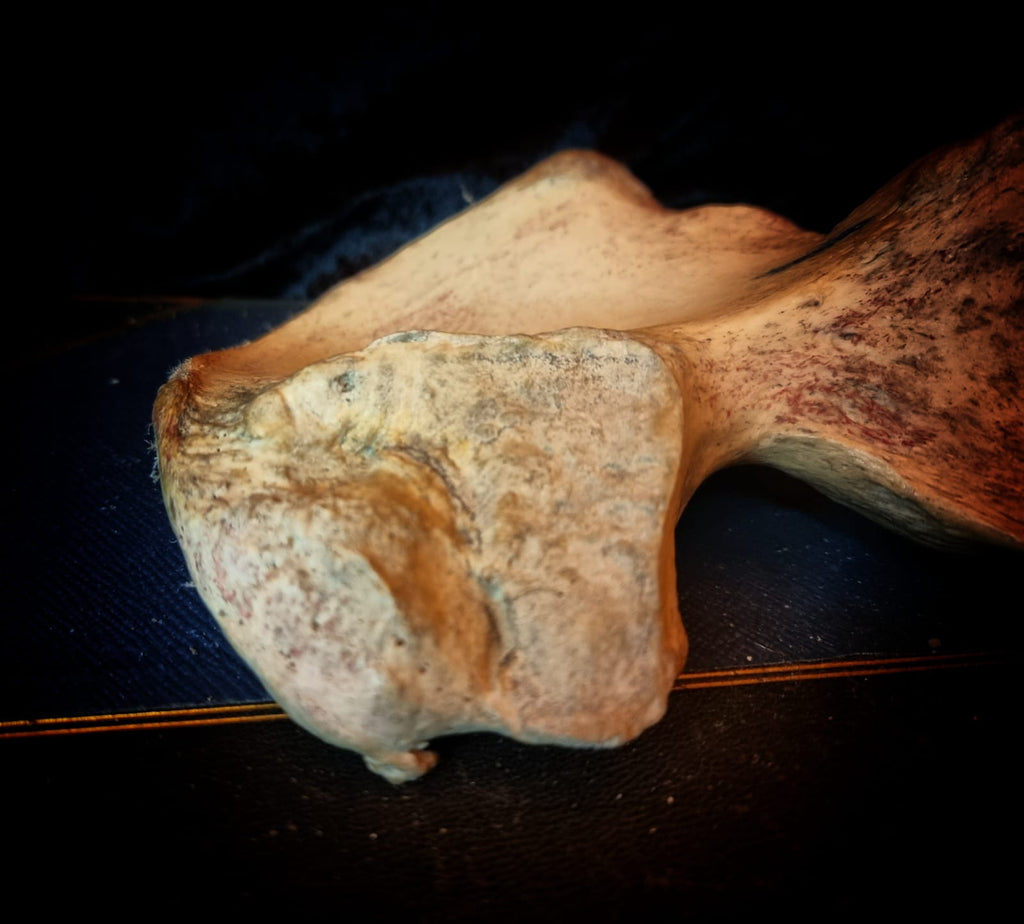
The auricular surface is locatated on the hip bone and is a kidney bean shape which can help determine age at time of death. Age estimation in the auricular surface of the ilium has been, to date, a heavily researched method due to the fact the auricular surface is more robust and durable the pubic syntheseal. There have been many methods proposed to make it more precise and easier to use in a forensic anthropology setting. The two most common methods were proposed by Lovejoy et al. (1985) using an 8 phase, descriptive setting and by Buckberry and Chamberlin (2002)....
Ekoi, Manilla and Cowrie shells
Posted by Henry Scragg on
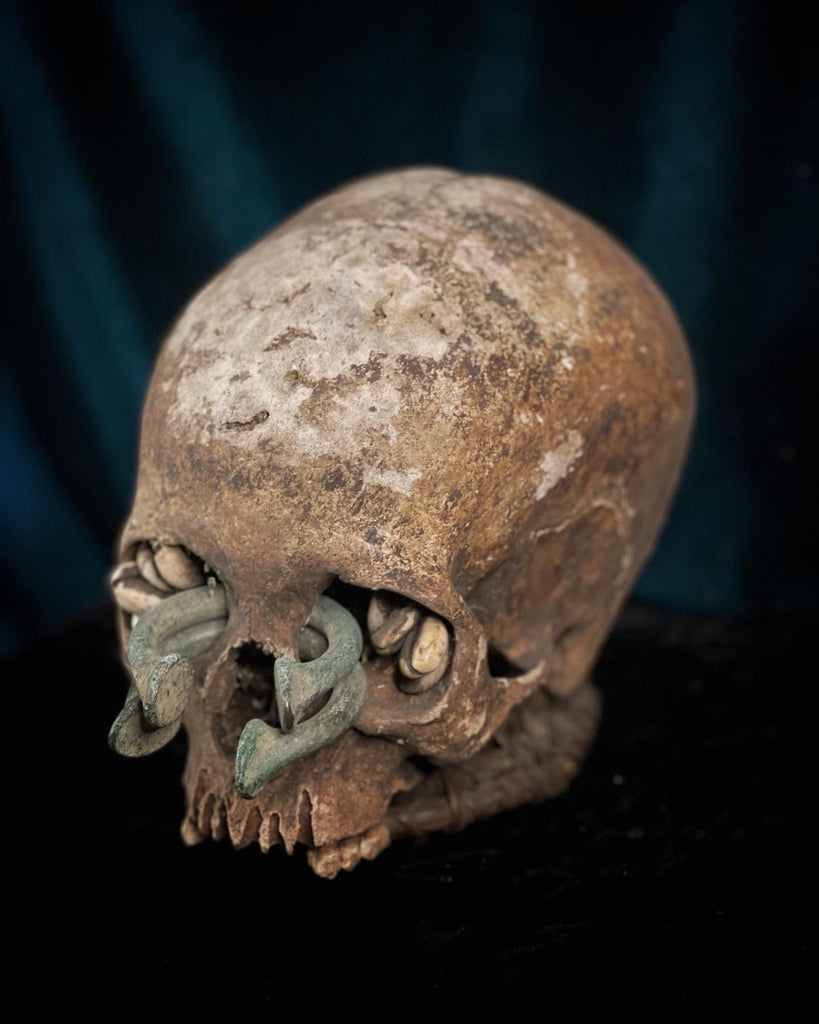
This is a real human skull head dress created and worn by the Ekoi people. Ekoi people, also known as Ejagham, are an ethnic group in the extreme south of Nigeria and extending eastward into the southwest region of Cameroon.Headdresses were worn for both festive and important ceremonial occasions. Deaths of high-ranking society members would be marked by elaborate commemorative funerals at which the headdresses would be worn by an accomplished dancer dressed in a full length gown, adorned with the society's important paraphernalia, and accompanied by specific musical instruments. There are three overall types: helmet masks that cover the wearer's...